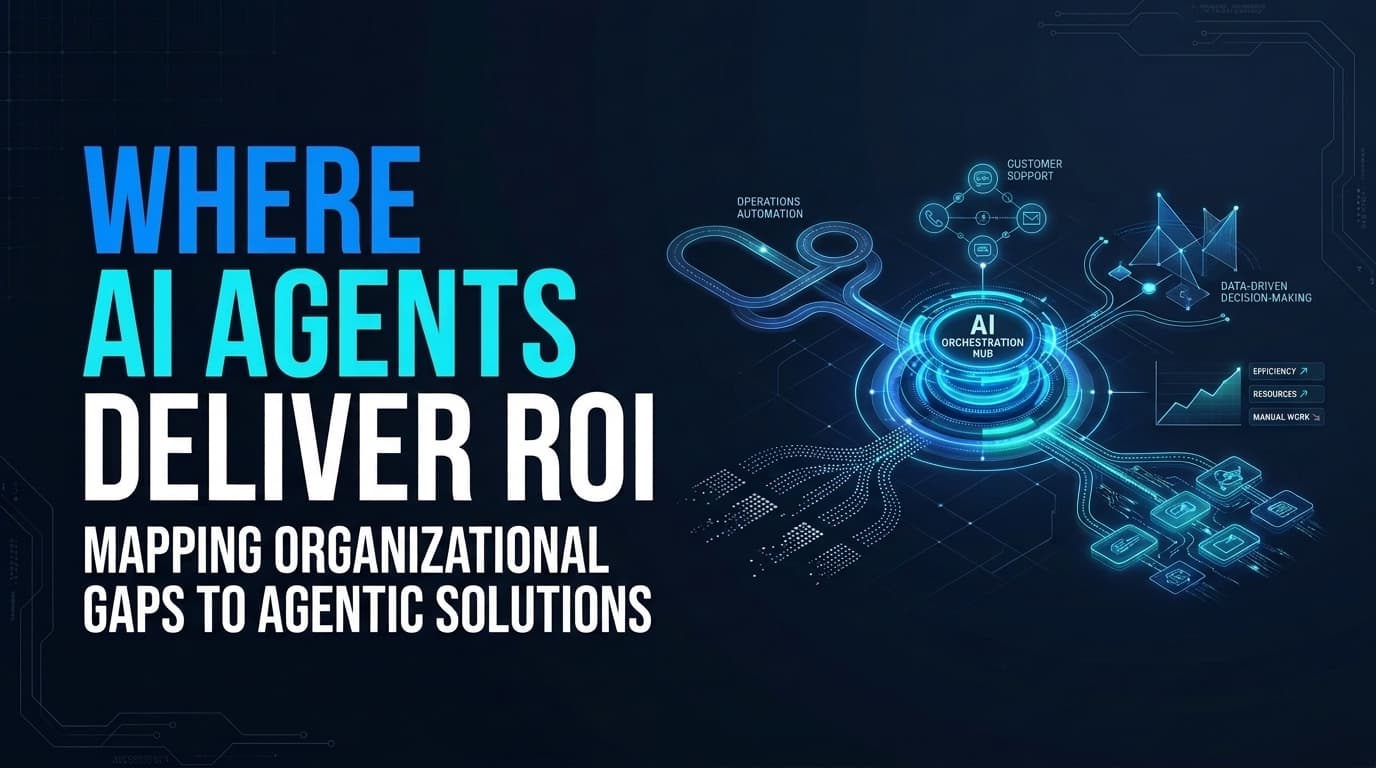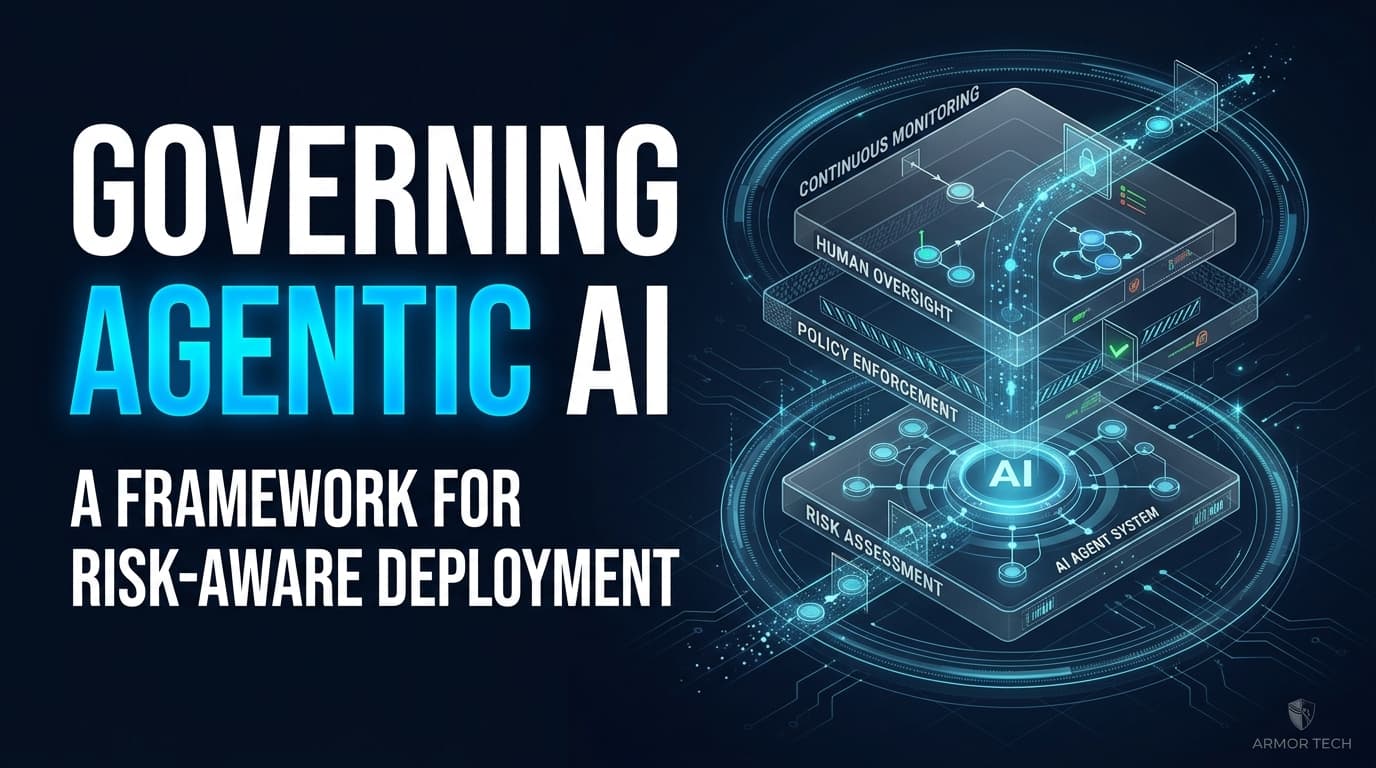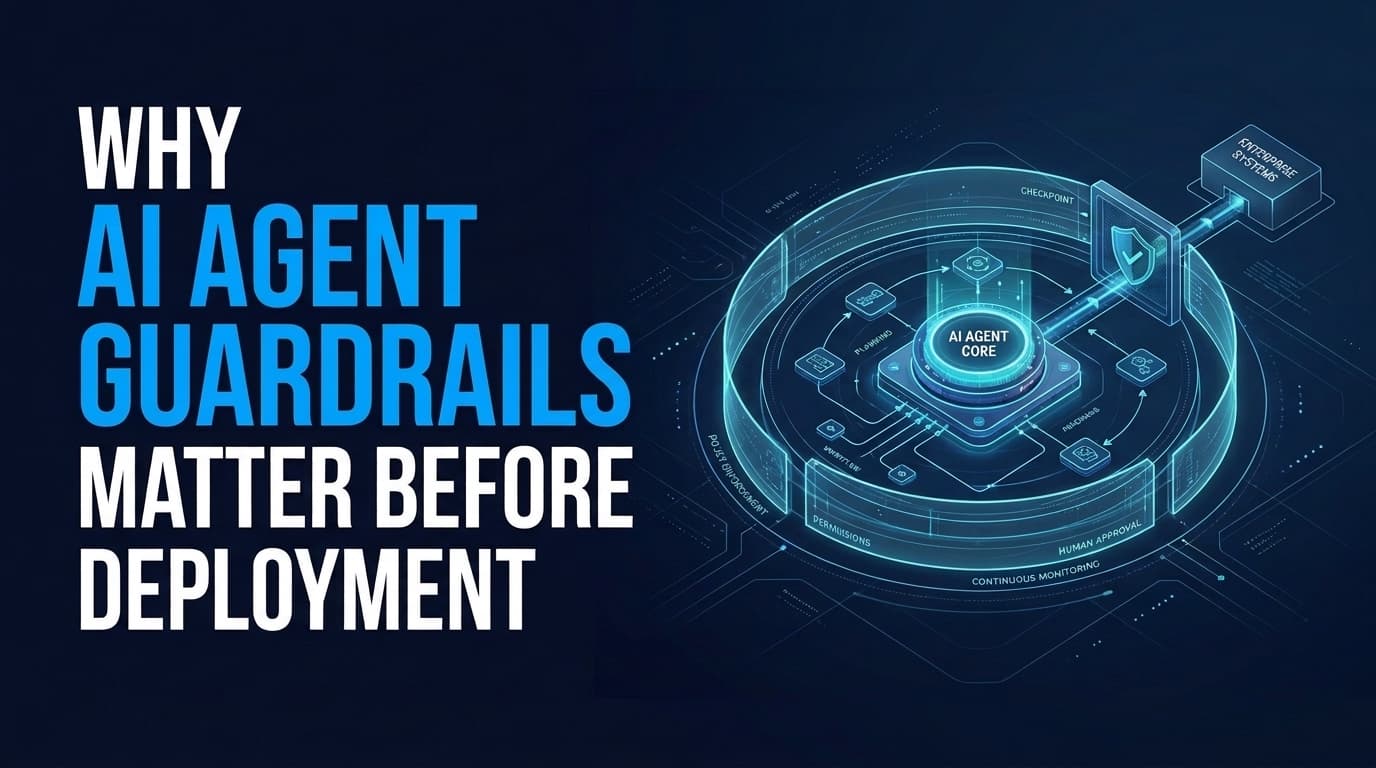
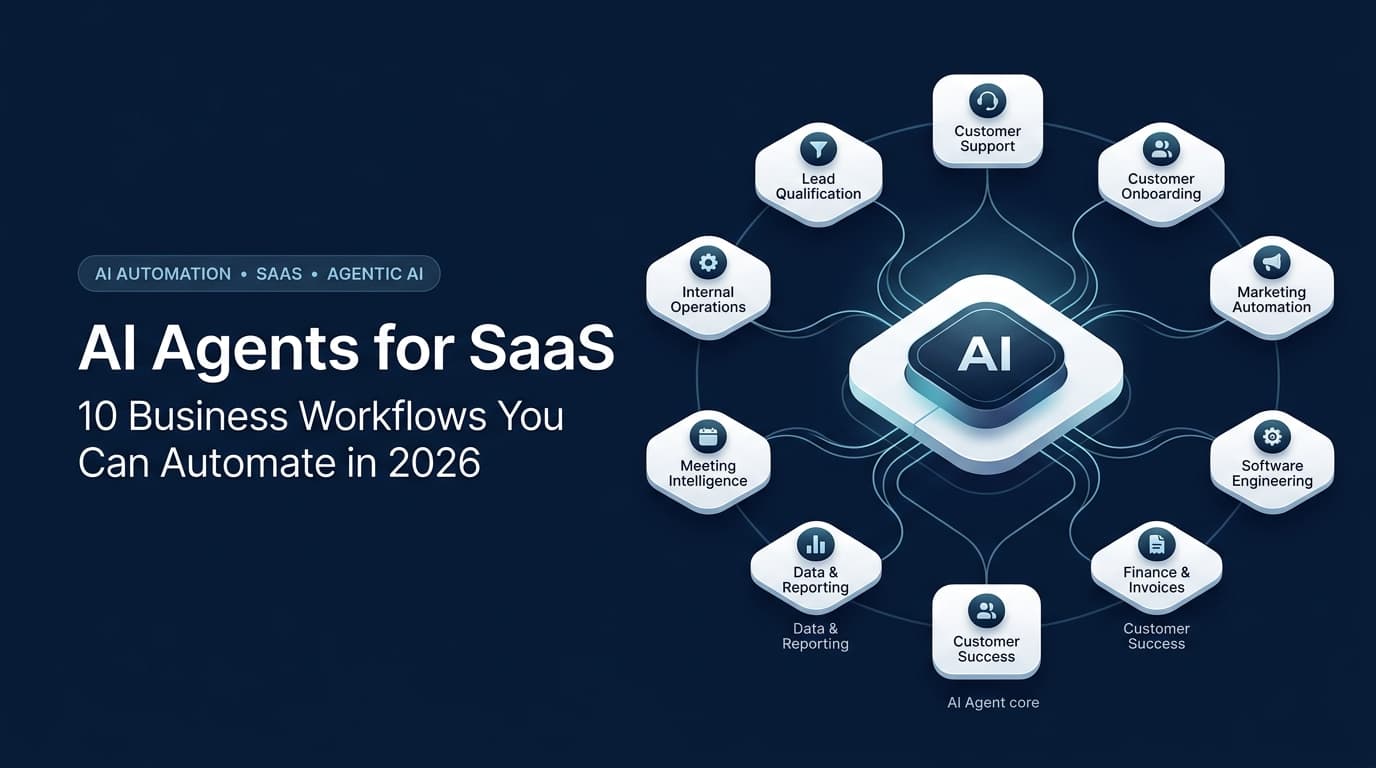
SaaS companies are already using AI across sales, customer support, product development, and operations but the bigger shift in 2026 is moving from AI that simply assists teams to AI that can actually execute work. AI agents can understand a business goal, work with company data, use connected tools, and complete multiple steps within a defined workflow. For SaaS businesses, this creates new opportunities to automate repetitive processes such as lead qualification, customer onboarding, support triage, reporting, and account management. In this article, we’ll explore 10 practical SaaS workflows that AI agents can automate in 2026 and how businesses can use them to improve efficiency without losing human oversight.
What Are AI Agents for SaaS?
A SaaS AI agent is an autonomous or semi-autonomous system designed to work within or alongside SaaS applications. It can access relevant data, operate within defined permissions, and perform tasks across connected cloud-based tools. However, as these agents interact with multiple business systems, maintaining clear visibility, control, and traceability over their actions becomes an important challenge for organizations(Source:NHIMG Docs).
Why SaaS Companies Are Moving Toward AI Agents
SaaS companies are under constant pressure to move faster while keeping operations lean, and traditional automation can only take them so far. Many everyday processes still require employees to switch between different tools, review information, make routine decisions, and follow up on tasks manually. AI agents offer a different approach by bringing reasoning and action into the same workflow. Instead of simply triggering a predefined rule, an agent can understand context, work with connected systems, and handle multiple steps toward a specific outcome. For SaaS businesses, this means less time spent on repetitive work and more room for teams to focus on product development, customers, and higher-value decisions.
10 Business Agentic Workflows(Source:Amrood labs Docs)
1.Agentic AI Customer Support
Customer support is one of the most practical areas where SaaS companies can put agentic AI to work. AI agents can handle common customer questions, understand the context behind a request, access relevant account information, and review previous conversations before responding. This allows businesses to provide faster support across different time zones while reducing the workload on support teams. For instance, when a customer reports a failed payment, an AI agent can check the billing status, review the subscription, identify possible causes, and recommend the appropriate next step. If the situation requires a decision or approval beyond its permissions, the agent can hand the case over to a human support representative.
2. AI-Powered Customer Onboarding
A smooth onboarding experience can have a major impact on activation and customer retention. When new users struggle to understand a SaaS product or complete the initial setup, they may never reach the point where they see its real value.
AI-powered onboarding can make this process more straightforward by guiding users through setup, answering common questions, sharing relevant tips, and identifying when someone is having trouble. The AI agent can also notify the customer success team when human assistance is needed.
For example, if a new customer signs up but leaves an important setup step incomplete, an AI agent can send a timely reminder with the relevant instructions. If the customer remains inactive, the system can escalate the situation to the customer success team.
AI-driven onboarding workflows can include:
Personalized onboarding checklists
Role-based product recommendations
In-app guidance and assistance
Automated follow-up emails
Behavior-based reminders
Customer success notifications
Relevant help center content
This makes AI workflow automation particularly valuable for SaaS businesses that rely on free trials, product demos, or product-led growth.
3. Predictive Lead Scoring
Sales teams can spend a significant amount of time following up with leads that have little intention of becoming customers. Predictive lead scoring helps address this by analyzing signals such as website activity, form submissions, company information, industry, and previous CRM interactions.
Based on these signals, AI can identify leads that show stronger buying potential and prioritize them for the sales team. Instead of treating every prospect the same way, sales representatives can focus more of their time on leads that match the company's ideal customer profile.
AI can also support personalized marketing by creating customer segments, generating email variations, and triggering campaigns based on user behavior.
For example, a SaaS company can create different workflows for:
Trial users
Inactive users
Highly engaged users
Demo prospects
Accounts showing expansion potential
Customers showing signs of churn
This approach allows marketing and sales teams to deliver more relevant communication while reducing the amount of manual work involved.
4. Personalized Marketing Automation
AI can take marketing automation beyond simple scheduled campaigns. It can analyze customer behavior, create relevant segments, generate personalized email variations, recommend content, and determine when certain messages should be delivered.
This can be especially useful for SaaS companies offering free trials, product demos, or multiple subscription plans.
For example, a trial user who has not explored an important feature could receive a helpful product tip, while an active customer who is approaching a usage limit might receive information about a higher-tier plan.
5. AI-Native Software Engineering
AI is becoming a practical part of modern software development. Development teams can use AI to generate code snippets, create test cases, identify potential bugs, summarize requirements, and maintain technical documentation.
The goal is not to remove developers from the development process. Instead, AI can take care of repetitive tasks and give engineers more time to focus on architecture, product decisions, code review, and complex technical challenges.
AI can also support product teams by turning customer feedback into structured feature requests, summarizing bug reports, and creating clearer development tickets.
6. Automated Finance and Invoice Processing
Finance operations can become increasingly complex as a SaaS company grows. Teams may need to manage recurring subscriptions, usage-based billing, invoices, payments, refunds, and financial reports across different systems.
AI can automate many of these repetitive processes by extracting information from invoices, matching payments, identifying inconsistencies, and preparing financial summaries.
For example, an AI system could flag a duplicate invoice, identify a payment discrepancy, or highlight unusual changes in revenue across different subscription plans.
For SaaS businesses using recurring or usage-based pricing, finance automation can help reduce manual effort while keeping financial operations more organized as the customer base expands.
7. Customer Health Scoring and Churn Prevention
Keeping existing customers is just as important as acquiring new ones. AI can analyze product usage, support interactions, billing activity, customer feedback, and engagement patterns to identify accounts that may be at risk of churn.
Common warning signals can include:
Declining product usage
Reduced login activity
Limited use of important features
Repeated support complaints
Payment problems
Negative customer feedback
When several of these signals appear together, an AI agent can notify the customer success team and provide context about what may be happening.
This makes AI business automation useful not only for reducing operational costs but also for improving customer retention. By identifying potential churn risks earlier, SaaS teams can have an opportunity to address problems before they lead to cancellation.
8. AI-Powered DataOps and Reporting
SaaS companies generate data across nearly every part of the business, including sales, product usage, customer support, finance, and marketing. Bringing this information together and turning it into useful insights can become difficult as the company grows.
AI can help by organizing data, identifying trends, generating summaries, preparing reports, and alerting teams when important metrics change.
For example, an AI system could notify a team when trial activation rates fall, support volume increases, customer churn risk rises, or a marketing campaign starts attracting lower-quality leads. Instead of discovering these changes during a monthly review, teams can receive useful signals closer to when they happen.
9. Meeting Intelligence and Action Item Automation
Meetings often generate valuable information, but important details can easily get lost once the call ends. AI can turn conversations from sales calls, product meetings, customer interviews, and internal discussions into structured, actionable information.
An AI agent can summarize conversations, identify decisions, extract action items, create tasks, update CRM records, and remind team members about important follow-ups.
For example, a sales conversation can automatically generate a CRM summary, while a customer interview can be converted into a structured feature request. A customer success meeting could also trigger a follow-up or renewal reminder.
For SaaS teams that spend a large part of their week in meetings, this type of automation can reduce administrative work and make follow-ups more consistent.
10. Internal Operations Automation
AI agents can also automate many of the everyday processes that keep a SaaS company running behind the scenes. These can include employee onboarding, HR questions, internal documentation, administrative requests, and routing tasks to the appropriate team.
For example, a new employee could use an internal AI assistant to find company policies, access relevant documentation, understand software setup procedures, or get answers to common workplace questions.
The same system could analyze internal requests and automatically direct them to the appropriate person or department.
While these tasks may seem small individually, reducing repeated internal interruptions can make a meaningful difference for growing SaaS teams and allow employees to spend more time on work that directly contributes to the business.
Conclusion
AI agents are changing how SaaS companies approach automation. Instead of automating isolated tasks, businesses can now connect AI with the systems, data, and workflows their teams already use to handle complete processes from lead qualification and customer support to onboarding, reporting, and customer success. However, successful AI automation is not about adding an agent to every process. It starts with identifying the right workflows, defining clear outcomes, and building the right level of human oversight, security, and integration. As agentic AI continues to evolve in 2026, SaaS companies that approach it as a practical business capability rather than simply another AI trend will be better positioned to turn repetitive work into more efficient and scalable operations.
How Armor Tech Can Help
At Armor Tech, we help SaaS businesses turn practical AI opportunities into reliable, connected workflows. Our team works across AI agents, workflow automation, RAG-based systems, API integrations, and multi-agent solutions to connect AI with the tools and processes businesses already rely on. From automating customer support and lead qualification to building internal knowledge assistants and intelligent reporting workflows, we focus on solutions that are designed around real business needs, measurable outcomes, and appropriate human oversight. Whether you are exploring your first AI workflow or looking to scale an existing automation system, Armor Tech can help turn the idea into a production-ready solution.
References
1.NGHIM Docs
https://nhimg.org/glossary/saas-ai-agent/
2.Amrood labs docs
https://www.amroodlabs.com/blog/ai-automation-use-cases-transforming-saas-businesses