Creating a professional video used to mean having the right camera, a good editor, a script, actors, equipment, and often a fairly large budget. AI is changing that process quickly.
Today, you can start with nothing more than a text prompt, an image, or a script and turn it into a video in minutes. AI video generators can create cinematic scenes, animate images, generate digital presenters, add voiceovers, and even help with editing.
But with so many tools entering the market, choosing the right one has become difficult. A tool that works well for a filmmaker may not be the best option for a marketing team, while a platform designed for corporate training may be completely different from one built for short-form social content.
What Is an AI Video Generator?
An AI video generator is a tool that uses artificial intelligence to create or modify video content from simple inputs such as text, images, scripts, or existing footage.
For example, you could describe a scene such as:
“A modern city street at night with neon lights reflecting on wet roads, filmed with a slow cinematic camera movement.”
Instead of filming that scene yourself, an AI model can generate a video based on the description.
Depending on the platform, you can also create videos from a photograph, turn a written script into a presenter-led video, or edit existing footage using AI.
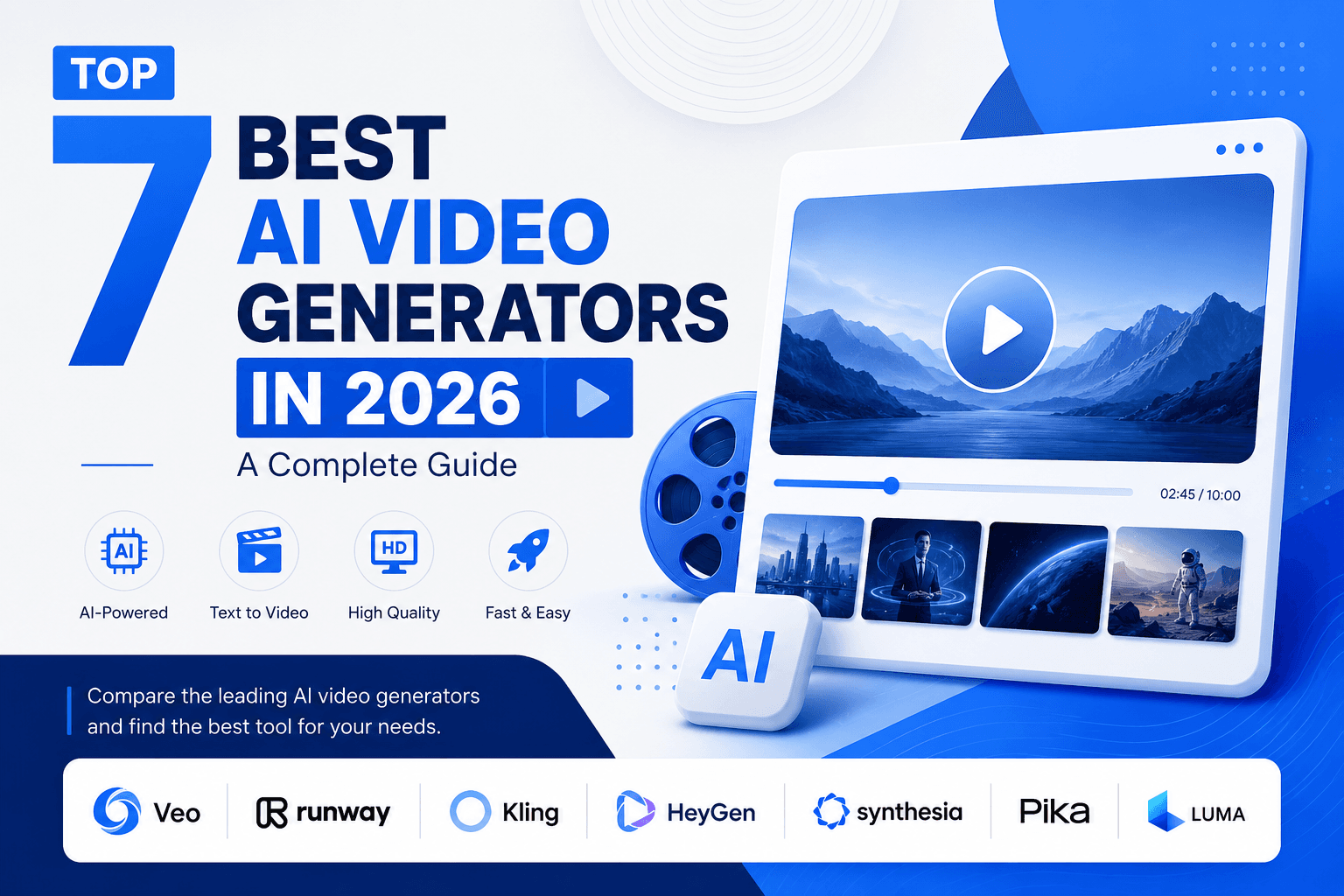
The Best AI Video Generators in 2026
1. Google Veo Best for Overall Video Quality
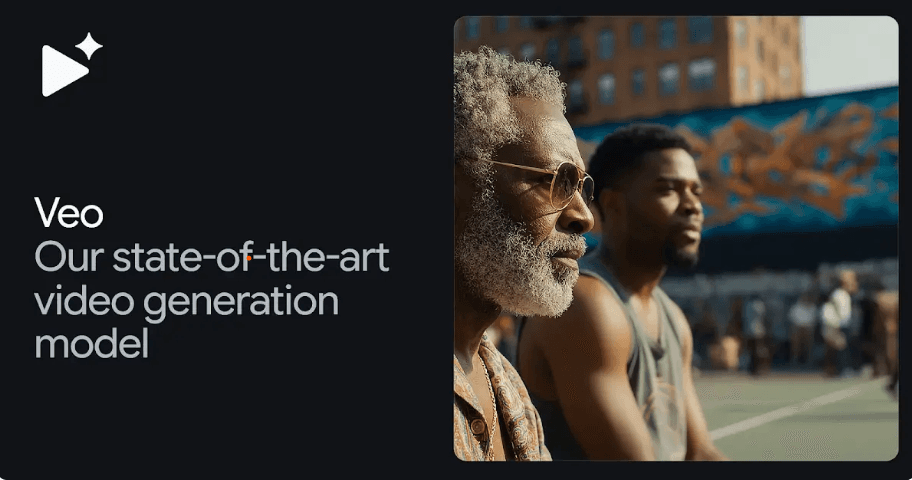
Google Veo has become one of the major names in AI video generation, particularly for users who care about realistic visuals and cinematic results.
Its ability to understand detailed prompts and produce convincing scenes makes it a strong option for everything from creative experiments to commercial concepts.
Another area where newer generations of AI video models are becoming more interesting is audio. Instead of generating silent footage and adding sound later, some models are moving toward producing video and audio as part of the same generation process(Source:Google DeepMind Veo ).
Where Veo Works Best
Cinematic content
Realistic scenes
Advertising concepts
Storytelling
Creative projects
Social media videos
What Makes It Stand Out
The biggest advantage is the overall quality of the generated footage. When the prompt is well written, Veo can produce scenes with impressive lighting, movement, and visual detail.
Best for: Creators and businesses looking for high-quality, general-purpose AI video generation.
2. Runway Best for Creative Control
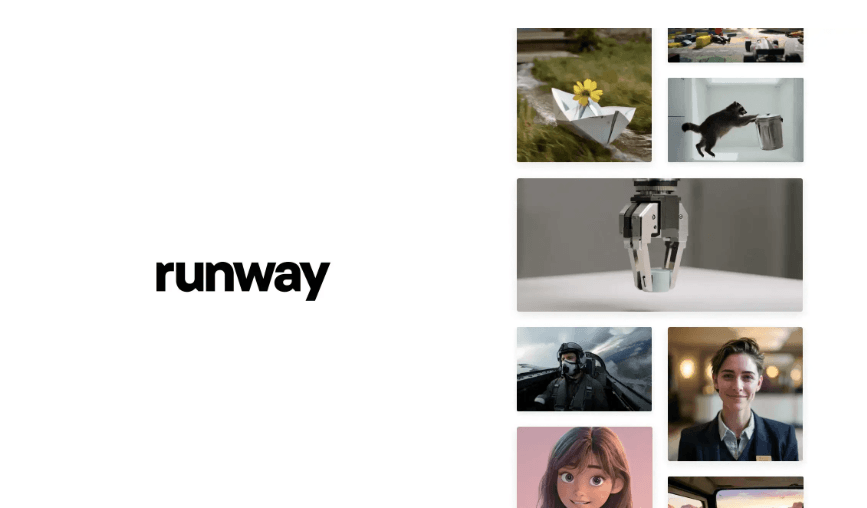
Runway has been one of the most recognizable names in generative video for several years, and it continues to be relevant for creators who want more control over the creative process.
Rather than treating AI video generation as a simple “type a prompt and get a video” experience, Runway provides a broader set of tools for generating and manipulating visual content.
That makes it particularly interesting for filmmakers, creative teams, and marketers who want to experiment with different visual concepts(Source:Runway Documentations)
Where Runway Works Best
Film and creative projects
Marketing campaigns
Cinematic content
Visual effects
Image-to-video workflows
Best for: Professional creators and creative teams that want greater control over AI-generated video.
3. Kling AI Best for Value
Kling has quickly become one of the strongest competitors in the AI video space.
One reason creators pay attention to Kling is the balance it offers between video quality and cost. It can produce impressive motion and detailed scenes while remaining accessible to users who don't necessarily want to commit to an expensive professional workflow.
Where Kling Works Best
Social media videos
Creative clips
Character-based content
Cinematic experiments
Short-form content
Best for: Creators looking for a strong balance between quality and cost.
4. HeyGen Best for AI Avatar Videos
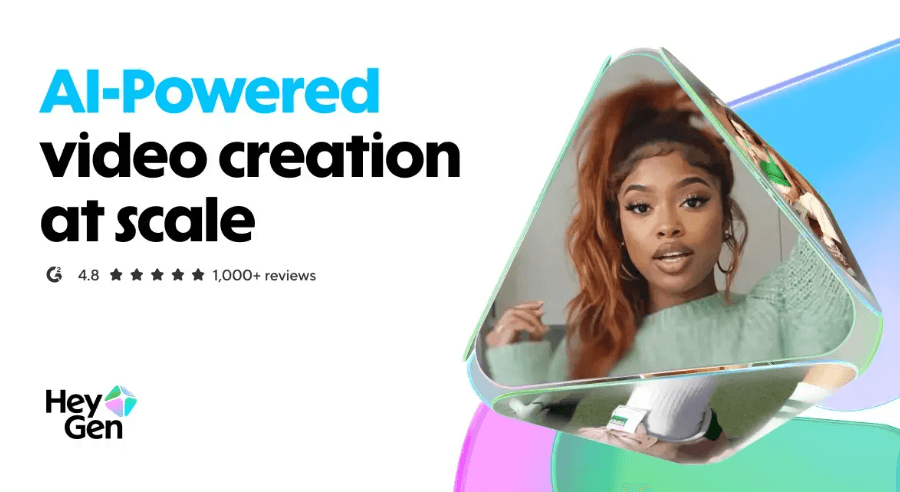
If your goal isn't to create cinematic scenes but to have an AI presenter explain something, HeyGen is a very different type of tool.
You can provide a script, choose an avatar and voice, and generate a presenter-led video without setting up a camera or recording yourself.
That makes it particularly useful for companies that regularly need sales, training, marketing, or educational videos(Source:Heygen AI Docs).
Where HeyGen Works Best
Sales presentations
Product demonstrations
Training videos
Personalized outreach
Marketing content
Multilingual videos
Best for: Businesses that need professional AI presenter and avatar videos.
5. Synthesia Best for Corporate Training
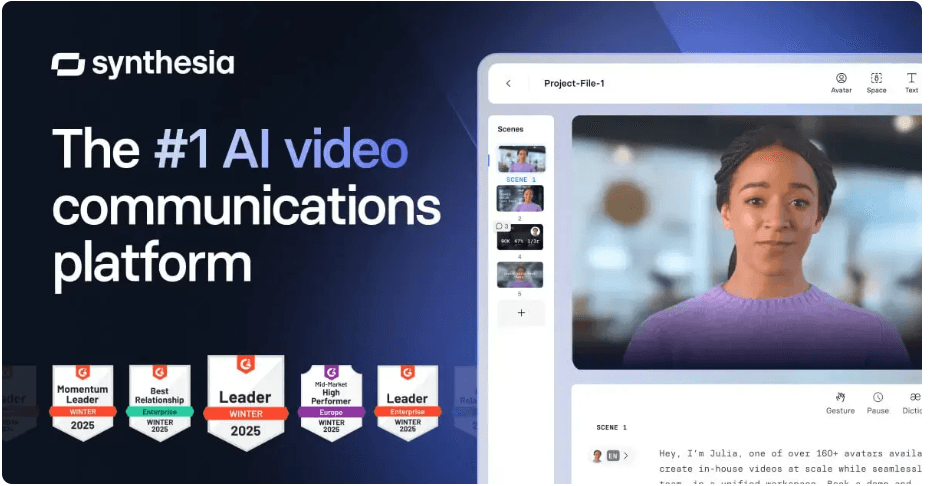
Synthesia takes a similar approach to AI avatars but is particularly well known for business and enterprise use cases.
Companies can use it to create employee training, onboarding material, internal communications, and educational content without repeatedly recording presenters.
For organizations producing large amounts of structured video content, this can save considerable production time (Source: Synthesia) .
Where Synthesia Works Best
Employee training
Corporate learning
Onboarding
Internal communications
Educational content
Best for: Enterprises, HR teams, and organizations creating training and educational videos.
6. Pika Best for Short-Form Creative Content
Pika takes a more playful approach to AI video generation.
It's particularly appealing to creators who want to experiment with unusual effects, transformations, and short-form visual ideas.
For social media creators, the ability to quickly turn an idea into an engaging visual can be more valuable than having a complicated professional production environment(Source:Pika AI).
Where Pika Works Best
YouTube Shorts
Instagram Reels
TikTok
Memes
Creative effects
Short-form content
Best for: Social media creators who prioritize speed and creativity.
7. Luma AI Best for Creative Visual Work
Luma AI is another platform worth considering for creators interested in AI-generated motion and visual experimentation.
It can be useful when working with image-to-video generation, cinematic movement, and concept visualization(Source:Luma Docs)..
Where Luma Works Best
Creative projects
Image-to-video
Concept visualization
Cinematic experiments
Visual storytelling
Best for: Creators who want to explore different approaches to AI-generated motion and visual content.
Final Thoughts
AI video generators have come a long way, and 2026 is shaping up to be an important year for the technology.
Google Veo and Runway are strong choices for high-quality creative generation, while Kling offers an attractive balance between quality and cost. HeyGen and Synthesia are better suited to businesses that need AI presenters and training content, while Pika and Luma provide interesting options for creators experimenting with short-form and visual content.
But the best AI video generator isn't necessarily the one with the most impressive demo.
The right tool is the one that fits your workflow, budget, content type, and production goals.
For creators, that might mean choosing a tool that makes experimentation fast and affordable. For businesses, it may mean choosing a platform that can produce consistent, branded content at scale.
How Armor Tech Can Help
At Armor Tech, we help businesses turn modern technology into practical solutions that support growth, efficiency, and scalability. Our services cover Agentic AI systems, AI automation, RAG-based solutions, custom web and mobile application development, and SaaS platform development. We can design intelligent AI agents that handle complex tasks, build automation workflows that reduce repetitive manual work, develop scalable SaaS products, and connect AI with your existing business systems and data.